

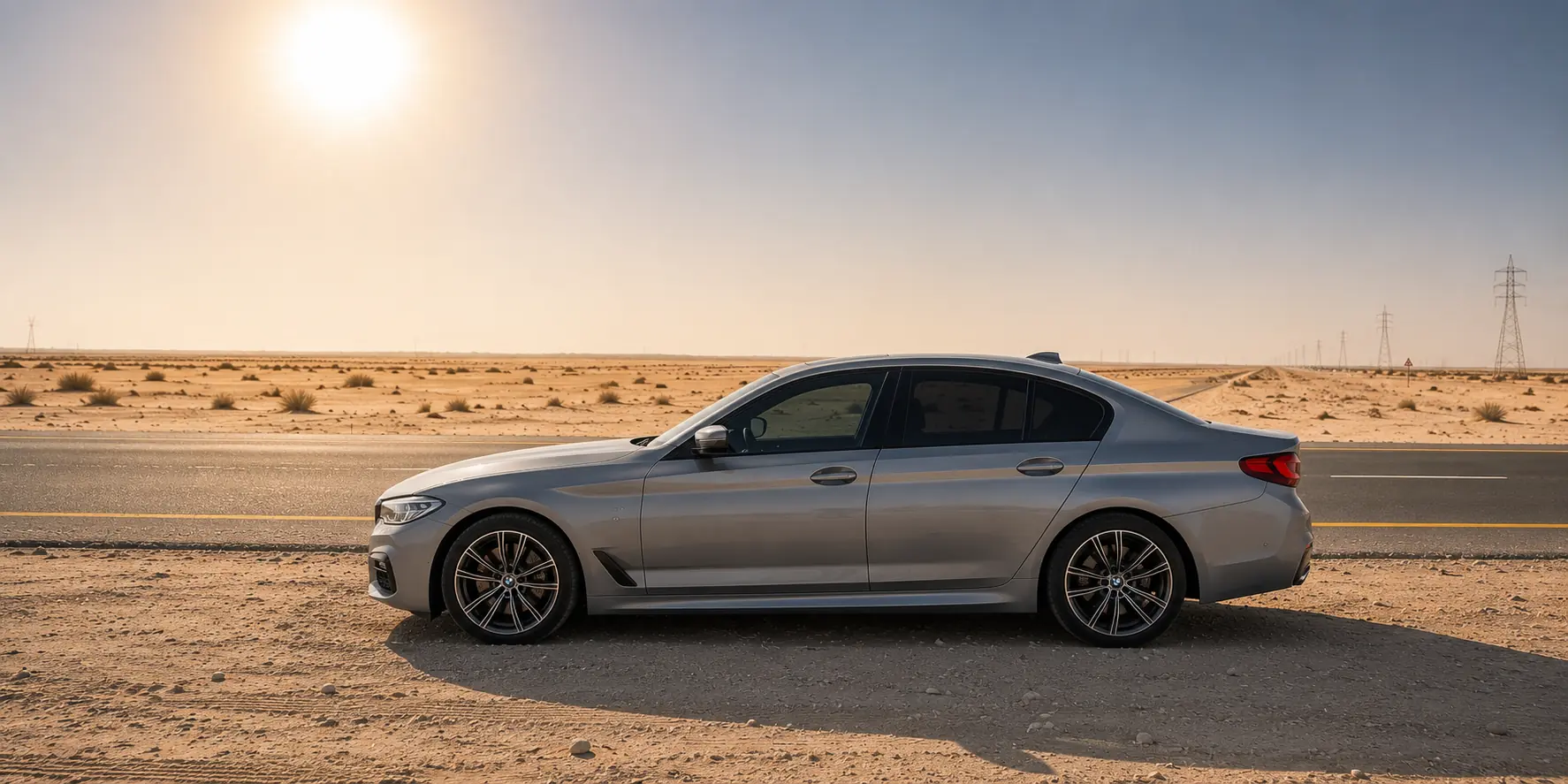
Buying a used car in Qatar is a major financial decision, but many buyers overlook one of the biggest factors affecting vehicle condition: the climate itself. Qatar’s combination of extreme summer temperatures, desert sand, coastal humidity, and intense UV exposure creates conditions that can significantly accelerate vehicle wear and hidden damage.
A vehicle that has spent several years exposed to Qatar’s environment may suffer from issues that are not immediately visible during a simple test drive. Engine components, cooling systems, batteries, rubber seals, tires, air conditioning systems, and even the vehicle's underbody can experience accelerated deterioration.
This is why a professional vehicle inspection Qatar service is essential before purchasing any used vehicle. Understanding climate-related damage helps buyers make informed decisions and avoid costly repairs after purchase.
Summer temperatures in Qatar frequently exceed 45°C and can reach even higher levels during peak months. Vehicles parked outdoors are exposed to intense sunlight that raises surface temperatures far above ambient air temperatures.
In addition to extreme heat, vehicles are regularly exposed to desert sand, airborne dust, humidity, and coastal salt. Together, these environmental factors accelerate wear on both mechanical and cosmetic components.
As a result, vehicles in Qatar often age faster than similar vehicles operating in milder climates, even when mileage remains relatively low.
The air conditioning system is one of the hardest-working components in vehicles operating in Qatar. Unlike many countries where AC use is seasonal, air conditioning in Qatar operates almost year-round.
Continuous operation places heavy stress on compressors, refrigerant lines, condensers, cooling fans, and seals. Over time, this can lead to reduced cooling performance, refrigerant leaks, and compressor failure.
Professional inspectors evaluate the entire AC system to identify hidden problems that may not become obvious until the hottest months of the year.
Qatar’s extreme temperatures place significant demands on engine cooling systems. Radiators, coolant hoses, thermostats, water pumps, and cooling fans work constantly to prevent overheating.
Over time, high temperatures can cause coolant degradation, radiator damage, hose deterioration, and increased strain on cooling components. Even minor cooling system issues can become major failures during summer driving conditions.
A thorough vehicle inspection includes evaluating coolant condition, radiator performance, hose integrity, and cooling fan operation.
Many people associate battery problems with cold climates, but extreme heat is equally damaging. High temperatures accelerate internal chemical reactions and cause battery fluid evaporation, reducing battery lifespan.
In Qatar, batteries often require replacement much sooner than in cooler regions. A battery that appears functional may be nearing failure after only a few years of exposure to harsh summer temperatures.
Professional inspections include battery load testing to assess actual performance and reliability.
Rubber hoses, belts, seals, and weather stripping are particularly vulnerable to prolonged heat and UV exposure. These components gradually become brittle, lose flexibility, and develop cracks.
Internal deterioration is often difficult to detect without close examination. A hose or belt that appears normal externally may be close to failure internally.
Inspectors carefully evaluate all visible rubber components for signs of aging and deterioration.
Tires experience constant exposure to hot road surfaces and intense sunlight. Heat increases tire pressure fluctuations while UV radiation accelerates rubber degradation.
Sidewall cracking, uneven wear, tread deterioration, and reduced structural integrity are common issues found during vehicle inspections in Qatar.
Proper tire inspection is critical because tire failures can create serious safety risks, particularly during highway driving.
Many buyers underestimate the effects of Qatar’s coastal environment. Salt-laden air can contribute to corrosion on exposed metal surfaces, particularly underneath the vehicle.
Rust can develop on suspension components, chassis sections, brake lines, exhaust systems, and structural mounting points. Because underbody corrosion is hidden from view, many buyers remain unaware until expensive repairs become necessary.
Professional vehicle inspections include a detailed underbody examination to identify corrosion and structural concerns.
Extreme temperatures inside parked vehicles can cause dashboards to crack, leather seats to dry out, plastics to fade, and electronic systems to deteriorate.
Interior condition often provides valuable insight into how the vehicle has been stored and maintained throughout its life in Qatar.
Inspectors evaluate interior materials, electronics, climate controls, and visible signs of sun-related wear.
Many climate-related issues cannot be identified during a short test drive. Hidden cooling system problems, battery deterioration, underbody corrosion, AC system wear, and rubber component degradation often require specialized inspection techniques.
A professional vehicle inspection report Qatar provides detailed information about the vehicle's condition, helping buyers understand potential repair costs and future maintenance requirements before making a purchase.
Qatar’s climate creates unique challenges for vehicle ownership. Extreme heat, desert sand, humidity, and UV exposure can significantly affect vehicle reliability, safety, and long-term value.
Before purchasing any used vehicle, a professional pre-purchase inspection helps identify hidden climate-related damage and gives buyers the confidence needed to make informed decisions.
Book your professional vehicle inspection in Qatar today and buy your next vehicle with complete peace of mind.


 Pre-Purchase Vehicle Inspection
 Buy Assured